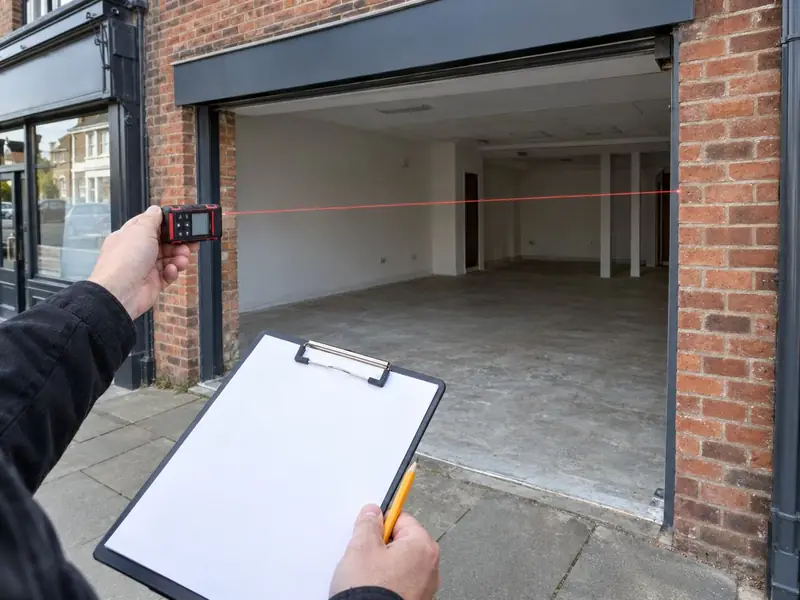
What are the guide prices for each type of shop shutter?
The figures below are our guide prices for supply and fitting on a typical single shopfront of about 3 m wide by 2.5 m high. They exclude VAT, which is added at 20%, and your exact price is confirmed in writing after a free survey.
| Shutter type | Guide price (ex VAT) |
|---|---|
| Manual solid steel roller shutter | £895–£1,495 |
| Electric solid steel shutter | £1,495–£2,695 |
| Perforated electric shutter | £1,695–£2,895 |
| Punched-lath (vision) shutter | £2,195–£3,695 |
| Open grille roller shutter | £1,595–£2,795 |
| Insulated aluminium electric shutter | £1,795–£3,195 |
| Retractable (collapsible) grille | £495–£1,195 |
| Concealed fascia shutter | £1,995–£3,495, fascia alterations quoted separately |
| Internal shop shutter | £1,395–£2,595 |
| Counter or serving hatch shutter | £695–£1,495 |
| Window shutter, per opening up to about 1.5 m | £495–£995 |
| Shopfront and shutter package | £6,995–£14,995 |
| LPS 1175 certified shutter | From £3,495 (SR1/A1) to £6,995 or more for higher ratings |
The ranges are wide because no two shopfronts are the same. The sections below explain what moves a price up or down.
What makes one shutter cost more than another?
- Size. Wider and taller openings need more laths, a larger barrel and often a more powerful motor. Very wide frontages may be split into two shutters with a removable centre post.
- Operation. A motor, controls and wiring add to the price of a manual shutter.
- Lath type. Solid steel is usually the lowest-cost curtain; perforated, insulated aluminium, open grille and punched-lath designs cost progressively more.
- Box position. A face-fixed box is the simplest. Hiding the box behind the fascia or inside the shop takes more work.
- Finish. Powder coating to a RAL colour adds about £95–£295.
- Security rating. LPS 1175 certified products use heavier components and cost substantially more.
- Site conditions. Uneven ground, weak fixings, restricted access or work outside trading hours can all affect the quote.
What does a quote for a new shutter usually include?
Our quotes for new shutters are for supply and fit. A typical quote covers:
- the curtain, bottom rail, guides and box;
- the barrel and springs on a manual shutter, or the motor and controls on an electric one;
- locks or locking bars, and keys or remote handsets;
- fixing, testing and handover, including showing you the manual override on electric models;
- removal of our packaging.
Items commonly quoted separately include fascia alterations for concealed boxes, a new fused electrical supply where none exists, making good to brickwork or render, and strip-out of an old shutter. Check what is included before comparing quotes, because a lower figure that leaves these out may not be lower in the end.
How much does it cost to replace an existing shutter?
A replacement costs the same as a new shutter of the chosen type, plus strip-out and disposal of the old one at a guide price of £95–£195. Sometimes the existing box position can be reused, but the new shutter usually needs fresh fixings, especially if the old one was corroded or poorly fitted.
Before replacing, check whether a repair would do. A tired but sound shutter may only need a new motor or a few laths. Our replacement shutters page explains when replacement makes more sense.
What do repairs and servicing cost?
| Work | Guide price (ex VAT) |
|---|---|
| Diagnostic repair visit | From £125 |
| Typical repairs | £145–£495 |
| Service visit | From £125 per shutter |
| Motor replacement | £395–£895 |
| Manual-to-electric conversion | £595–£1,195 |
Repair visits are charged; the free survey applies to new shutters. A diagnostic visit identifies the fault, and many common problems, such as a damaged lath, a failed remote or a misaligned guide, fall within the typical repair range. Regular servicing can help you spot wear before it turns into a breakdown.
Is a manual shutter a false economy?
Not necessarily. A manual shutter suits smaller openings and shops where one person opens up each day without difficulty. It has fewer parts to go wrong and no motor to replace.
The trade-offs are daily effort, bending down to locks at the bottom rail, and the weight of the curtain on larger openings. If you might want electric operation later, a manual-to-electric conversion has a guide price of £595–£1,195, so compare that with the extra cost of buying electric at the outset. Our electric or manual guide covers the decision in detail.
Are there costs beyond the shutter itself?
- Planning. External shutters usually need planning permission, with a council fee and possibly drawings from an architect or agent. See our planning guide.
- Electrics. An electric shutter needs a suitable fused supply near the box, installed and tested to BS 7671.
- Fascia and signage. Concealed boxes may need fascia changes, and a new sign can need advertisement consent.
- Insurance. If your insurer specifies a security rating, the certified product will cost more than a standard one.
- Servicing. Budget for an annual service, from £125 per shutter.
How do I get an accurate price?
Book a free survey for new shutters. We measure the opening, check the fixings and power supply, discuss lath type, colour and box position, and then confirm the price in writing.
It helps to have your priorities in mind before the visit: how much visibility you want after hours, whether your insurer has set a security requirement, your budget, and any planning constraints you already know about. That lets us quote the shutter that suits the shop, rather than simply the cheapest or the most expensive option.
Which shutter gives the best value for my type of shop?
Value depends on what the shutter has to do. As a rough starting point:
- Small convenience or takeaway units often choose a manual or electric solid or perforated shutter, depending on what the council will accept.
- Fashion, gift and window-led shops tend to get more from a perforated or punched-lath shutter, because the display keeps working after closing.
- Phone, jewellery, tobacco and pharmacy retailers should check their insurance wording first, because a required security rating changes the budget completely.
- Cafes and food counters may need only a counter shutter inside, with the main entrance secured separately.
- New fit-outs can save on separate trades by combining a new aluminium shopfront and shutter in one package.
Paying for the right shutter once usually costs less than replacing an unsuitable one a few years later.
Questions about this guide
Do your guide prices include VAT?
No. Our guide prices exclude VAT, which is added at the standard rate of 20%. If your business is VAT-registered, you may be able to reclaim the VAT on a shutter bought for the business, subject to the normal rules. Your accountant can confirm how this applies to you.
Why are the price ranges so wide?
Because shopfronts vary so much. Width, height, lath type, motor size, box position, colour, fixings and access all change the cost. The ranges cover a typical single shopfront of about 3 m by 2.5 m; larger, smaller or unusual openings may fall outside them. Your exact figure is confirmed in writing after a free survey.
Does a perforated shutter cost much more than a solid one?
Not usually. A perforated electric shutter has a guide price of £1,695–£2,895 against £1,495–£2,695 for a solid electric shutter. Punched-lath vision shutters, at £2,195–£3,695, cost more because the laths carry clear polycarbonate inserts. Where planning favours visibility, the extra can make the difference between approval and refusal.
Is the survey free for repairs?
No. The free survey applies to new and replacement shutters. Repairs start with a diagnostic visit, charged from £125, so that a technician can find the fault on site. Many repairs fall within a typical range of £145–£495, and we explain the cost of any further work before carrying it out.
Sources
This guide is general information, not legal advice. Your local planning authority, landlord and insurer have the final say on your premises.